Stain Removal in Everyday Life: Practical Methods for Cleaner Clothes, Surfaces, and Fabrics
Stain removal is one of those household skills that saves time, money, and frustration. Whether you are dealing with a coffee spill on a shirt, a greasy mark on upholstery, or a stubborn food stain on a tablecloth, knowing the right stain removal approach can make all the difference. The best results often come from acting quickly, choosing the correct cleaning method, and understanding the material you are treating.
Many people search for stain removal tips only after a mishap happens, but the truth is that a little knowledge goes a long way. With the right stain removal techniques, you can protect fabrics, keep surfaces looking fresh, and reduce the need for harsh chemicals. From fresh spills to old discoloration, effective stain removal is about matching the stain type to the cleaning method.
In this article, we will explore practical stain removal strategies for clothing, upholstery, carpets, kitchen surfaces, and more. You will also learn which products are useful, which mistakes to avoid, and how to improve your chances of success. If you want cleaner fabrics and fewer permanent marks, these stain removal methods can help you get there.
Why Stain Removal Matters for Homes and Businesses

Good stain removal is not only about appearance. Stains can weaken fabric fibers, set into porous materials, and make everyday items look older than they really are. In homes, proper stain removal helps maintain clothing, bedding, rugs, and furniture. In commercial settings, it supports a cleaner image and better hygiene standards.
Different stains behave differently. A water-based spill may lift easily, while oil-based residue can cling stubbornly to fibers. Some stains, such as wine, ink, or turmeric, can become more difficult to remove the longer they sit. That is why stain removal works best when it is done promptly and with the right method.
Another important reason to learn stain removal is cost savings. Replacing a garment, sofa cover, or carpet section can be expensive. By using the correct stain removal techniques, you may extend the life of many household items and reduce waste. Smart cleaning choices often protect both your budget and your belongings.
Common Types of Stains
Before choosing a method, it helps to identify the stain. Many stain removal problems fall into a few broad categories:
- Food stains such as sauces, berries, chocolate, and grease
- Drink stains such as coffee, tea, juice, and wine
- Ink and dye stains from pens, markers, and cosmetics
- Protein stains such as blood, sweat, and milk
- Outdoor stains such as mud, grass, and rust
- Oil-based stains from cooking, lotion, or automotive fluids
Understanding the stain type is the first step toward successful stain removal. A method that works for mud may not work for grease, and a solution that helps with tea may not be right for ink. If in doubt, test a small hidden area first.
Stain Removal Basics: What to Do First
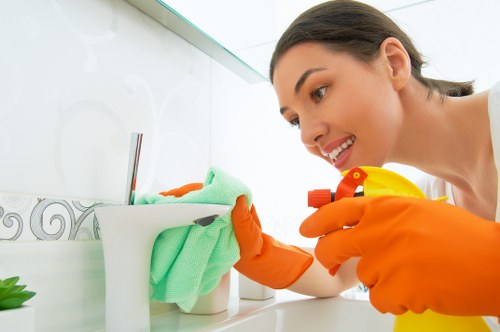
When a spill happens, the first few minutes matter. The right initial response can improve stain removal results dramatically. Start by blotting, not rubbing. Rubbing pushes the stain deeper into the fabric or surface and can spread it wider. Use a clean cloth, paper towel, or absorbent pad to lift as much as possible.
Next, identify the material. Cotton, wool, silk, polyester, carpet, wood, and upholstery may all require different stain removal techniques. Always check care labels on clothing and fabric items. If the item is delicate, strong chemicals or hot water can cause damage, shrinkage, or discoloration.
It is also important to avoid heat until the stain is gone. Heat can set many stains permanently, especially protein, grease, and dye-based marks. For safer stain removal, use cool or lukewarm water first unless the stain type requires another treatment.
Useful Supplies for Stain Removal
Keeping a small stain removal kit at home can save time. Consider stocking these basics:
- Clean white cloths or paper towels
- Mild liquid detergent
- Baking soda
- White vinegar
- Hydrogen peroxide for select fabrics
- Soft brush or old toothbrush
- Spray bottle
- Dish soap for grease
These items cover many common stain removal situations. However, always verify compatibility with the material and finish you are cleaning. Safer stain removal starts with the right product and a careful approach.
A Quick Rule to Remember
Blot, treat, rinse, and repeat if needed. That simple routine is the foundation of effective stain removal for most everyday messes.
Stain Removal for Clothing and Fabrics

Clothing stains are among the most common cleaning challenges. From a dropped lunch item to a pen mark in a pocket, stain removal on fabric needs speed and precision. The goal is to remove the stain without damaging the fibers or fading the color.
For fresh food and drink spills, rinse the back of the fabric with cold water if possible. This helps push the stain out rather than deeper in. Apply a small amount of liquid detergent or stain remover directly to the affected area. Let it sit briefly, then rinse again. Repeat if necessary before laundering.
For set-in clothing stains, soak the item in a solution suited to the stain type. Grease often responds well to dish soap, while protein stains may need cold water and enzyme-based cleaners. Wine stains may benefit from immediate blotting followed by a gentle detergent treatment. Patience matters in stain removal; sometimes multiple rounds are required.
Best Practices for Specific Fabric Stains
- Coffee and tea: Rinse with cold water, then treat with detergent
- Grease: Apply dish soap and gently work it into the area before washing
- Blood: Use cold water only; avoid hot water
- Ink: Blot with alcohol-based treatment if fabric is safe for it
- Makeup: Use a mild pre-treatment and launder carefully
If a garment is delicate or expensive, professional stain removal may be the safest choice. Silk, wool, embroidered items, and vintage fabrics can react poorly to aggressive cleaning. In those cases, testing and caution are essential.
Important Fabric Warning
Never assume one stain removal method works for every textile. Always check the label, spot-test when possible, and avoid excessive scrubbing.
Stain Removal on Carpets and Rugs

Carpet and rug stain removal requires a gentle but effective touch. Because fibers can trap liquid and residue, spills often sink below the surface. That is why quick action is important. Start by blotting up as much of the spill as possible. Press down firmly with a clean towel, but do not rub.
Once the excess moisture is removed, use a suitable cleaning solution. A mixture of mild dish soap and water works well for many common spots. Apply lightly, blot again, and continue until the stain begins to fade. For persistent carpet stains, a vinegar solution or a carpet-safe enzymatic cleaner may be helpful.
After treatment, rinse the area with a small amount of clean water and blot dry. Good airflow can speed drying and reduce the risk of odor or mildew. For stain removal on large rugs, always check the material composition before using any cleaner. Natural fibers may react differently from synthetic ones.
How to Handle Common Carpet Stains
- Food spills: Remove solids, then blot with soap and water
- Pet accidents: Use an enzymatic cleaner designed for organic stains
- Wine: Blot immediately and treat with a carpet-safe cleaning solution
- Mud: Let it dry, vacuum loose particles, then clean gently
- Ink: Treat carefully with a compatible solvent and test first
For homeowners and property managers, regular stain removal helps keep carpets looking newer for longer. It also supports a cleaner indoor environment and can reduce the need for costly replacements. Timely stain removal is often cheaper than repair or replacement.
Stain Removal on Upholstery, Furniture, and Surfaces

Upholstery stain removal can be tricky because furniture fabrics vary widely. Some couches have removable covers, while others are made from tightly woven or delicate materials. The first rule is to check the cleaning code if one is available. This can help you know whether water-based, solvent-based, or professional cleaning is recommended.
For general upholstery stain removal, begin with blotting. Then use a minimal amount of a suitable cleaner applied to a cloth rather than directly onto the fabric. This helps prevent oversaturation. Work from the outside of the stain inward to reduce spreading. Once treated, blot with a clean damp cloth to remove residue.
Hard surfaces such as counters, tables, and appliances also benefit from careful stain removal. Coffee rings on wood, sauce splatter on tile, and soap buildup on glass can all be handled with the right method. Wood surfaces may require a gentle cleanser, while non-porous surfaces can often tolerate stronger cleaning agents. Matching the cleaner to the surface protects the finish.
Surface-Specific Stain Removal Tips
- Wood: Use minimal moisture and avoid soaking the finish
- Glass: Use a streak-free cleaner after lifting the stain
- Laminate: Wipe gently and dry thoroughly
- Tile: Use a soft brush for grout stains
- Leather: Use a leather-safe cleaner and condition afterward if needed
When dealing with furniture and household surfaces, stain removal should be deliberate. Fast action helps, but overuse of water or harsh products may create a bigger problem than the original stain. Choose the mildest effective method first.
When Professional Help Makes Sense
Some stains require advanced stain removal, especially when they affect luxury upholstery, antique pieces, or fragile finishes. If a stain is large, old, or deeply embedded, professional cleaning may save the item.
Natural and DIY Stain Removal Methods
Many readers prefer stain removal methods that use ingredients already found in the home. DIY stain removal can be effective when done correctly. White vinegar, baking soda, salt, and dish soap are popular choices because they are affordable and versatile. Still, each one works best on certain stain types.
Baking soda is useful for absorbing odor and helping lift light stains, especially when mixed into a paste. White vinegar can help with deodorizing and may loosen some mineral or food residue. Dish soap is excellent for grease-related stain removal because it breaks down oily buildup. Salt can sometimes help absorb fresh liquid stains before they set.
While natural stain removal options can be effective, they are not always safer for every material. Vinegar, for example, should not be used on some stone surfaces, and baking soda can be abrasive on delicate finishes. It is best to use these ingredients carefully and selectively.
Simple DIY Stain Removal Ideas
- Grease paste: Dish soap mixed with a little baking soda
- Deodorizing rinse: Water mixed with white vinegar for some fabrics
- Spot lift: A small amount of mild detergent on a damp cloth
- Absorbent treatment: Salt or baking soda on fresh spills
DIY stain removal works best when the stain is fresh, the material is suitable, and the product is applied sparingly. For tougher stains, a specialized cleaner may be more effective.
Smart Testing Habit
Before trying any DIY stain removal mix, test it on an inconspicuous area. This small step can prevent fading, spotting, or texture damage.
Stain Removal Mistakes to Avoid
Even well-intentioned cleaning can go wrong if common mistakes are made. One of the biggest errors in stain removal is using too much product. Excess detergent or cleaner can leave a residue that attracts dirt and makes the stain look worse over time.
Another mistake is scrubbing aggressively. Scrubbing may seem like the fastest way to remove a stain, but it can fray fibers, spread the stain, and damage finishes. Instead, use gentle blotting and controlled application. This method is usually more effective and safer.
It is also risky to mix cleaning chemicals unless the product label specifically says it is safe. Combining cleaners can create harmful fumes or reduce effectiveness. For safe stain removal, use one product at a time and rinse thoroughly between steps. Safety and effectiveness should go hand in hand.
Common Errors in Stain Removal
- Waiting too long to treat the stain
- Using hot water on protein-based stains
- Rubbing instead of blotting
- Skipping a spot test
- Ignoring fabric or surface care instructions
A careful stain removal routine prevents unnecessary damage and improves your chances of success. Sometimes the slow, gentle method is the one that gives the best results.
How to Build a Better Stain Removal Routine
If stain removal is something you deal with often, a simple routine can make the process easier. Keep a cleaning kit in the laundry room, kitchen, or utility area. Store the items you use most often together so you can respond quickly to accidents. The faster you act, the better your stain removal outcome is likely to be.
It also helps to sort stains by type and material. For example, food and drink stains may be treated differently from ink or grease. Fabric stains may require gentler care than hard-surface marks. A reliable stain removal routine gives you a repeatable process instead of guesswork.
For families, renters, homeowners, and business operators alike, stain removal is an everyday skill that pays off. Clean items last longer, look better, and create a more welcoming environment. When used wisely, the right stain removal strategy can protect the things you value most.
Practical Stain Removal Checklist
- Act quickly
- Identify the stain
- Check the material or care label
- Blot rather than scrub
- Use the mildest effective solution first
- Rinse and dry properly
- Repeat if needed before heat exposure
Consistency matters. The more familiar you become with stain removal basics, the easier it becomes to handle spills without stress.
Final Thoughts on Stain Removal
Stain removal does not have to be complicated. With the right approach, many stains can be reduced or removed entirely before they become permanent. Whether you are working on a shirt, carpet, couch, or countertop, the same core principles apply: act fast, choose the right method, and avoid damaging the material.
By learning stain removal techniques for different stain types and surfaces, you can take better care of your home and belongings. A few simple supplies, a little patience, and a careful routine can go a long way. From everyday spills to more stubborn marks, effective stain removal is all about smart action and the right technique.
If you are ready to keep your fabrics and surfaces looking their best, start using these stain removal strategies today. Book your service now or contact us today to take the next step toward a cleaner, fresher space.