Sofa Cleaning in and Why It Matters for a Healthier, Fresher Home
Understanding the Importance of Sofa Cleaning in Everyday Living
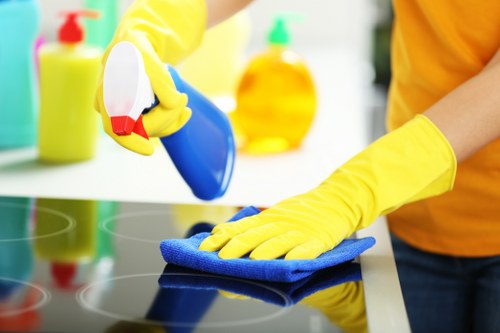
Your sofa is one of the most used pieces of furniture in your home. It is where people relax after a long day, watch movies, welcome guests, nap, read, and sometimes even eat. Because of that constant use, sofa cleaning in any home is not just about appearances. It is about comfort, hygiene, and preserving the life of your furniture.
Over time, upholstery absorbs dust, body oils, pet hair, crumbs, allergens, and odors. Even if a sofa looks clean on the surface, dirt can settle deep into the fibers and cushions. Regular sofa cleaning in a home helps remove these hidden contaminants and keeps the room feeling fresh. It also supports better indoor air quality, which is especially important for families with children, seniors, pets, or allergy sufferers.
Many homeowners underestimate how quickly a sofa can become dirty. Light-colored fabrics show stains more easily, but dark sofas collect dust just as quickly. Leather, microfiber, linen, velvet, and synthetic blends all need different care methods. That is why sofa cleaning in modern homes should be done with the right approach, using methods suited to the material and level of dirt.
Why Regular Sofa Cleaning in Homes and Offices Is Essential

Regular maintenance is one of the easiest ways to protect your investment. A sofa is not a cheap item to replace, and deep stains or fiber damage can shorten its lifespan significantly. Consistent sofa cleaning in homes and workplaces helps prevent buildup that can become harder to remove later. It also keeps furniture looking inviting and well cared for.
In office settings, reception areas and lounges often experience heavy traffic. Employees and visitors sit on sofas throughout the day, which means dirt and bacteria accumulate faster than in a quiet household. Professional sofa cleaning in business spaces can improve the overall impression of the workplace while also supporting a cleaner environment for everyone.
Another important reason for regular cleaning is odor control. Fabrics naturally trap smells from food, smoke, pets, spills, and humidity. If left untreated, these odors can become embedded in the upholstery. A proper sofa cleaning in routine helps neutralize bad smells and restore a pleasant atmosphere to the room.
Key benefits of regular maintenance
- Extends the life of upholstery and cushions
- Removes dust, allergens, and pet dander
- Improves indoor air quality
- Eliminates odors and hidden dirt
- Maintains a neat, polished appearance
Common Sofa Materials and How Cleaning Methods Differ

Not every sofa should be cleaned the same way. The fabric type determines which products and techniques are safe. Choosing the wrong method can leave water marks, fading, shrinkage, or texture changes. That is why knowledge of materials is such an important part of sofa cleaning in any setting.
Fabric sofas are among the most common. They are comfortable and versatile, but they can absorb stains quickly. These sofas often benefit from vacuuming, spot treatment, and steam or low-moisture cleaning, depending on the manufacturer’s instructions. For sofa cleaning in fabric upholstery, it is wise to test any cleaner on a hidden area first.
Leather sofas require a gentler process. While leather is easier to wipe down than cloth, it can dry out or crack if harsh chemicals are used. A soft cloth, pH-balanced leather cleaner, and conditioner are usually the best choices. In professional sofa cleaning in services, leather is treated carefully to preserve its natural finish and flexibility.
Other popular materials
- Microfiber: Often stain-resistant, but still needs regular vacuuming and targeted stain removal.
- Velvet: Requires delicate handling to protect the pile and avoid crushing the texture.
- Linen: Breathable and stylish, but prone to wrinkling and absorbency issues.
- Synthetic blends: Durable and often easier to clean, but still need proper care to avoid residue.
Signs You Need Professional Sofa Cleaning in Your Home

It is not always obvious when a sofa needs attention. Many people wait until stains become visible, but there are earlier warning signs. If your sofa looks dull, smells stale, or feels sticky, it may be time for sofa cleaning in a deeper and more effective way.
One of the first clues is lingering odor. If your sofa retains smells even after vacuuming or airing out the room, dirt may be trapped inside the cushions and backing. Another sign is increased allergy symptoms. Dust mites, pet dander, and pollen can collect in upholstery and trigger sneezing, watery eyes, or congestion. In such cases, sofa cleaning in a thorough form becomes more than cosmetic; it becomes a health-related necessity.
Visible stains are another obvious indicator, but even old stains can reactivate in humidity or heat. Water rings, grease spots, ink marks, and food spills may seem minor at first, yet they can spread or darken over time. Regular sofa cleaning in helps keep these issues under control before they become permanent.
Watch for these warning signs
- Foul or musty odors
- Flattened, dull-looking fabric
- Visible dust on cushions or seams
- Grease or food stains
- Allergy flare-ups when sitting on the sofa
Effective Methods Used in Sofa Cleaning in Modern Homes

There are several proven methods used in sofa cleaning in both residential and commercial spaces. The best method depends on fabric type, stain severity, and how much moisture the material can handle. Understanding these options can help homeowners choose the right approach for their furniture.
Vacuuming is the foundation of any cleaning routine. It removes loose dirt, crumbs, pet hair, and surface dust before they sink deeper into the upholstery. Using a brush attachment helps lift debris from seams and crevices. For routine sofa cleaning in, vacuuming once or twice a week makes a noticeable difference.
Steam cleaning is another widely used method, especially for fabric sofas that can tolerate heat and moisture. It can loosen embedded grime and sanitize the surface. However, it must be used carefully to avoid over-wetting. When performed correctly, steam-based sofa cleaning in can refresh the sofa and reduce bacteria buildup.
Other useful techniques
- Dry cleaning: Suitable for delicate fabrics that cannot handle much water.
- Foam cleaning: Uses minimal moisture and works well on specific upholstery types.
- Spot cleaning: Targets small stains before they spread.
- Extraction cleaning: Pulls dirt from deep within the fibers using specialized equipment.
How to Prepare for Sofa Cleaning in a Safe and Practical Way
Preparation is often overlooked, but it plays a big role in achieving good results. Before starting any sofa cleaning in process, remove loose cushions, throws, and decorative pillows. Check the manufacturer’s label for care instructions, which are usually marked with cleaning codes. These codes help determine whether water-based, solvent-based, or professional methods are safe.
It is also smart to vacuum thoroughly before applying any liquid cleaner. This prevents dust from turning into mud and helps the treatment work more effectively. For homes with pets or children, moving nearby items and protecting the floor can make sofa cleaning in easier and less messy.
Always test cleaners on a hidden area first. This step may seem minor, but it can prevent color bleeding, fading, or fabric damage. A patch test is a simple but essential part of responsible sofa cleaning in, especially when dealing with expensive or delicate furniture.
Preparation checklist
- Read the upholstery care label.
- Remove cushions and loose items.
- Vacuum the sofa carefully.
- Test cleaning products on a hidden spot.
- Ensure good ventilation in the room.
DIY Sofa Cleaning in Comparison to Professional Services
Many people wonder whether they should clean a sofa themselves or hire professionals. The answer depends on the sofa’s condition, fabric type, and the level of stain or odor buildup. For light maintenance, DIY sofa cleaning in can be effective and affordable. For deep cleaning, tough stains, or delicate upholstery, professional service is often the safer choice.
DIY methods are best for routine care. Vacuuming, gentle spot cleaning, and fabric-safe sprays can keep upholstery fresh between deeper treatments. However, if you use too much water or the wrong product, you may create more problems than you solve. That is why many people turn to expert sofa cleaning in when their furniture needs more than basic upkeep.
Professional cleaners bring specialized tools, experience, and cleaning solutions that are designed for different materials. They can often remove deep-seated dirt more effectively than household products. In addition, professional sofa cleaning in services may include deodorizing, sanitizing, and fabric protection treatments that help prevent future damage.
DIY vs professional care
- DIY: Good for routine maintenance and small fresh stains
- Professional: Best for stubborn stains, delicate upholstery, and deep sanitizing
- DIY: Lower cost but requires time and caution
- Professional: More thorough and less risky for valuable furniture
Stain Removal Tips for Sofa Cleaning in Common Problem Areas
Stains happen, and quick action is the best defense. The longer a stain sits, the more likely it is to become permanent. In sofa cleaning in routines, fast response can make all the difference. Blotting is usually better than rubbing because it helps lift the spill without spreading it deeper into the fibers.
For food and drink stains, a mild cleaning solution made with upholstery-safe ingredients may work well. Grease spots often need absorbent powder or a degreasing treatment, while ink stains may require a specialist cleaner. In all cases, the goal of sofa cleaning in is to treat the stain without damaging the surrounding fabric.
Pet accidents require extra care because they often leave both stains and odors. Enzyme-based solutions are commonly used to break down organic residue. If the area is not treated properly, odors can return when humidity rises. That is why targeted sofa cleaning in for pet-related messes is important for maintaining freshness.
Simple stain response steps
- Blot gently with a clean cloth.
- Use the correct cleaner for the stain type.
- Do not oversaturate the fabric.
- Allow the area to dry fully.
- Repeat only if the cleaner label allows it.
How Sofa Cleaning in Supports Better Indoor Air Quality
Many people think of upholstery care as a visual task, but it also affects the air you breathe. Dust, pollen, pet dander, and microscopic particles can settle into the fibers of a sofa and then re-enter the room when people sit down. Regular sofa cleaning in therefore contributes to a healthier indoor environment.
This is especially important for people with asthma or allergies. When a sofa is full of dust and debris, each use can stir particles into the air. Over time, that buildup can make a living room feel stuffy or irritating. A thoughtful sofa cleaning in routine helps reduce those triggers and makes the space more comfortable.
Odors can also influence how fresh the air feels. Smoke, cooking smells, and pet odors often cling to fabric surfaces. By using odor-neutralizing methods during sofa cleaning in, homeowners can restore a cleaner atmosphere without relying only on air fresheners that temporarily mask the problem.
Maintaining Your Sofa After Cleaning
After a sofa has been cleaned, proper maintenance helps protect the results. Placing the sofa away from direct sunlight can reduce fading, while using throws or washable covers can help prevent new stains. Routine care is the key to making sofa cleaning in less frequent and more effective over time.
Vacuuming regularly, handling spills immediately, and rotating cushions are small habits that make a big difference. If pets use the sofa, grooming them often and keeping a lint roller nearby can reduce hair buildup. These simple steps support long-term sofa cleaning in efforts and keep the fabric looking its best.
It also helps to schedule deeper cleanings at reasonable intervals. High-use households may need more frequent attention than low-traffic homes. By staying proactive, you can extend the freshness of your sofa and avoid the need for aggressive treatments later. In the long run, consistent sofa cleaning in saves time, money, and stress.
Maintenance habits that help
- Vacuum weekly
- Blot spills immediately
- Use fabric protectors when suitable
- Keep pets groomed
- Schedule periodic deep cleaning
Choosing the Right Sofa Cleaning in Service for Your Needs
When selecting a cleaning service, look for experience, fabric knowledge, and clear methods. A reliable provider of sofa cleaning in should understand how to treat different upholstery materials and should be able to explain the process in simple terms. Transparency is important because it helps you know what to expect before any work begins.
It is also helpful to choose a service that uses safe and effective products. Harsh chemicals can damage upholstery or leave behind irritating residues. A good sofa cleaning in provider will prioritize fabric safety, stain removal, odor treatment, and careful drying procedures. That attention to detail protects your furniture and your indoor environment.
In addition, consider turnaround time and convenience. Some sofas dry faster than others, and the cleaning method selected can affect how soon the furniture is ready to use again. A trusted sofa cleaning in service should be able to recommend the best approach based on your needs rather than offering a one-size-fits-all solution.
What to look for
- Knowledge of fabric care codes
- Safe cleaning products
- Experience with stain and odor removal
- Clear explanation of the cleaning process
- Reliable drying and finishing methods
Why Sofa Cleaning in Should Be Part of a Regular Home Care Routine
Furniture care is often forgotten until something goes wrong. But sofa cleaning in should be seen as part of a regular home maintenance routine, just like dusting shelves or washing bedding. A clean sofa improves the way the entire room looks and feels. It creates a more welcoming setting for family life, entertaining, and relaxation.
Beyond appearance, regular care protects your health and your budget. A well-maintained sofa lasts longer, resists buildup, and remains more comfortable over time. By making sofa cleaning in a recurring habit, homeowners reduce the chance of stubborn stains, unpleasant smells, and premature wear.
The best results come from combining day-to-day habits with occasional deep cleaning. That balance helps preserve both the structure and the appearance of the furniture. Whether your sofa is in a living room, family room, office, or waiting area, consistent sofa cleaning in keeps it looking and feeling ready for daily use.
Final Thoughts on Sofa Cleaning in and Long-Term Upholstery Care
A sofa is more than just a piece of furniture. It is part of the everyday comfort of your home or workplace. That is why sofa cleaning in matters so much. It improves hygiene, supports indoor air quality, removes odors, and helps preserve the value of your furniture.
Whether you choose DIY maintenance or professional care, the key is consistency. The more regularly you clean and maintain your sofa, the easier it becomes to keep it in excellent condition. If your furniture has stubborn stains, lingering smells, or visible wear, do not wait too long. Contact us today and take the next step toward a fresher, cleaner space. Book your service now and give your sofa the care it deserves.
With the right methods and attention, sofa cleaning in can transform the look and feel of your entire room. A clean sofa does not just make a better impression; it helps create a healthier, more comfortable environment for everyone who uses it.